
***This event has been postponed.***
In June 2018, the United States and North Korea committed to building “a lasting and stable peace regime on the Korean Peninsula.” And although the recent collapse of negotiations makes peace a remote prospect and threatens to further strain U.S.-North Korea relations, the current situation makes it all the more important to have a sober discussion about how to build mutual confidence, enhance stability, and prevent violent conflict on the Peninsula.
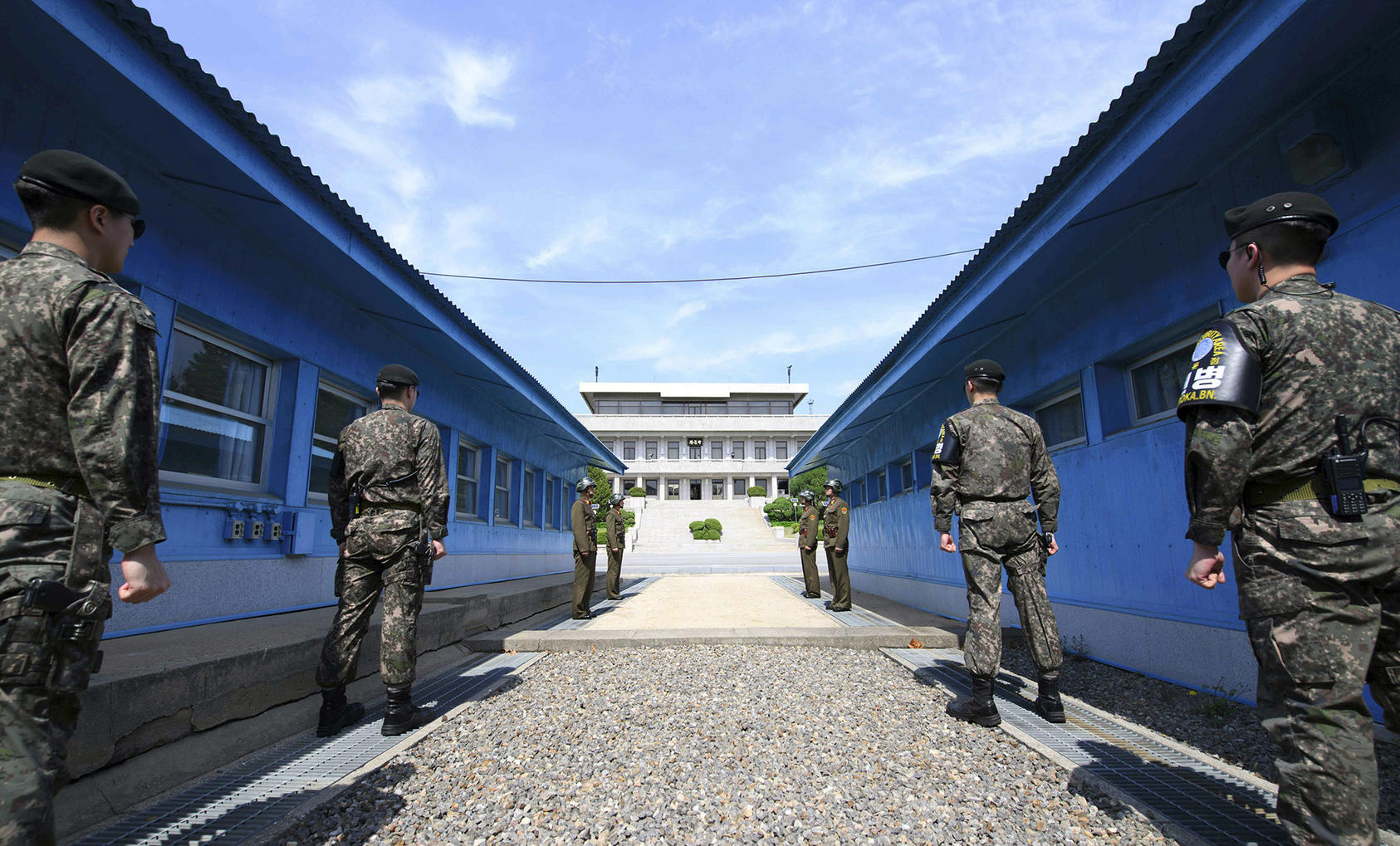
To outline the diplomatic, security, and economic components necessary for a comprehensive peace, USIP is launching a new report: A Peace Regime for the Korean Peninsula. The report examines the issues and challenges related to establishing a peace regime on the Korean Peninsula—including the need for engagement and cooperation with South Korea, China, Russia, and Japan—and provides principles for how U.S. administrations can strategically and realistically approach these issues.
USIP will look at the report’s main findings and recommendations, as well as a panel discussion with the report’s authors, experts, and former diplomats with extensive knowledge of Korean Peninsula policy.
Speakers
Frank Aum, Senior Expert, North Korea, U.S. Institute of Peace
Patricia Kim, Senior Policy Analyst, U.S. Institute of Peace
Scott Snyder, Senior Fellow for Korea Studies and Director of the Program on U.S.-Korea Policy, Council on Foreign Relations
Kathleen Stephens, President and CEO, Korea Economic Institute
Jacob Stokes, Senior Policy Analyst, U.S. Institute of Peace
Joseph Yun, moderator, Senior Advisor, U.S. Institute of Peace